

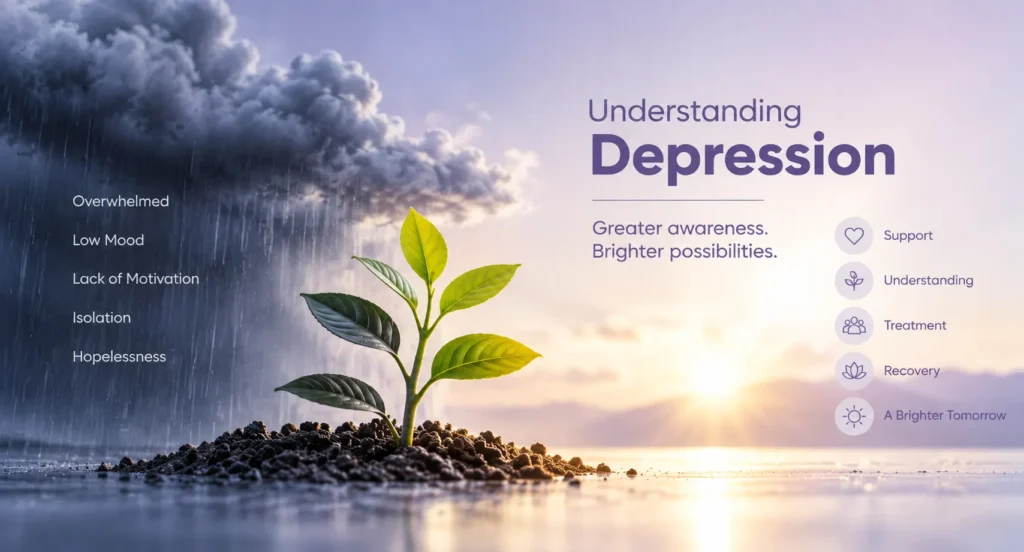
Depression
Thoughtful, evidence-based assessment and personalised care for adults and adolescents experiencing depression and related difficulties.
Care that begins with understanding the whole person.
Depression can affect how you feel, think, sleep, work and connect with the people around you. While everyone experiences periods of sadness or low mood, depression may be more persistent and can significantly interfere with everyday life.
Newtown Psychiatry provides professional assessment and personalised psychiatric care for people experiencing depression and related mental health concerns. Depending on individual needs, depression treatment may involve psychological therapy, medication, practical strategies, or a considered combination of approaches.


More than feeling sad.
Depression can involve ongoing changes in mood, motivation, energy, concentration, sleep and appetite. Some people also experience guilt, irritability, hopelessness or withdrawal from activities and relationships they previously valued.
Symptoms vary from person to person and can occur alongside anxiety, ADHD, trauma-related difficulties, sleep concerns or other health conditions. A careful assessment helps clarify the broader picture and guides an appropriate treatment plan.
How depression may present
Not everyone experiences depression in the same way. Common signs may include:
Persistent low mood
Loss of interest or enjoyment
Fatigue or low energy
Sleep disturbance
Changes in appetite
Difficulty concentrating
Feelings of hopelessness
Negative thinking
Social withdrawal
What can contribute to depression?
Depression rarely has a single cause. Biological, psychological and life circumstances may interact in different ways.
Biological Factors
Genetic vulnerability, brain and body health, hormones, sleep and some medical conditions may influence mood.
- Family and personal history
- Physical health conditions
- Sleep and biological changes
Psychological Factors
Patterns of thinking, coping styles, self-criticism and previous experiences can shape responses to stress.
- Negative thinking patterns
- Low self-esteem or perfectionism
- Difficulty managing stress
Life & Environmental Factors
Loss, trauma, isolation, relationship concerns and sustained pressures may contribute to depressive symptoms.
- Major life changes or loss
- Work, study or relationship stress
- Reduced social support
How depression is assessed
There is no single test that captures every experience of depression. Assessment considers the pattern, duration and impact of symptoms within the person's broader health and life context.
An individualised approach
Recommendations depend on clinical needs, preferences, circumstances and previous treatment. Plans may evolve over time.
Psychological Therapy
Evidence-based therapy may support people to understand patterns, process experiences, strengthen coping and make meaningful changes.
Psychiatric & Medication Support
Where clinically appropriate, medication options may be discussed, prescribed and monitored as part of a broader treatment plan.
Supportive & Lifestyle Strategies
Sleep, routine, physical activity, stress management, social connection and practical supports may complement clinical care.
Personalised care, grounded in clinical expertise.
Our approach centres on thoughtful assessment, collaborative treatment planning and evidence-based care within a respectful, discreet and welcoming clinical environment.
Questions about depression care
How is depression different from feeling sad?
Sadness is a natural response to difficult experiences and often changes with time or circumstances. Depression may be more persistent, involve a broader range of emotional, cognitive and physical symptoms, and interfere with daily functioning.
What happens during a depression assessment?
An assessment generally explores current symptoms, relevant history, daily functioning, previous treatment and any co-occurring difficulties. The purpose is to understand the overall clinical picture and discuss appropriate next steps.
Does everyone with depression need medication?
No. Treatment is individualised. Some people may benefit from psychological therapy and supportive strategies, while medication may be considered for others. Options should be discussed with an appropriately qualified clinician.
Can depression occur with anxiety or ADHD?
Yes. Depression can occur alongside anxiety, ADHD and other mental health concerns. Identifying overlapping symptoms can be important when developing a treatment plan.
How long does treatment take?
The duration of care varies according to symptoms, circumstances, treatment goals and response. Progress and the treatment plan can be reviewed over time with the treating clinician.
Do I need a referral to see a psychiatrist?
A GP referral is generally required to access Medicare rebates for psychiatric consultations in Australia. Contact the practice if you would like clarification before arranging an appointment.
Explore related areas of care
Depression may overlap with other conditions or experiences. Learn more through our existing information pages.
A considered first step toward care.
Contact Newtown Psychiatry to enquire about appointments and discuss the next appropriate step.
Contact Newtown Psychiatry