
Conditions We Treat
Newtown Psychiatry provides individualised, evidence-based assessment and care across a range of mental-health, developmental and related presentations.
Explore the areas below to learn how each condition may present and how care is approached at our practice in Newtown, Sydney.
Areas we support
Each page explains how the condition may be experienced, how it is assessed and the types of support that may be considered.

Depression
Persistent changes in mood, motivation, sleep or energy that can affect everyday life. Care begins with careful assessment and a personalised treatment plan.
Learn more
Autism Spectrum
Differences in social communication, interests, sensory experience and ways of relating to the world. Assessment and support respect each person’s strengths and needs.
Learn more
ADHD
A neurodevelopmental condition that can affect attention, activity levels, impulse regulation and organisation, and may present differently across stages of life.
Learn more
OCD (Obsessive-Compulsive Disorder)
Recurring intrusive thoughts, images or urges and repetitive behaviours or mental acts. Experiences are understood respectfully and without judgement.
Learn more
Gender Dysphoria
Person-centred support for distress some people may experience in relation to gender. Gender diversity itself is not a mental illness, and care makes no assumptions about identity or pathways.
Learn more
Trauma & PTSD
Support following distressing or traumatic experiences, including assessment for PTSD where symptoms persist. Care is respectful, paced and guided by individual needs.
Learn more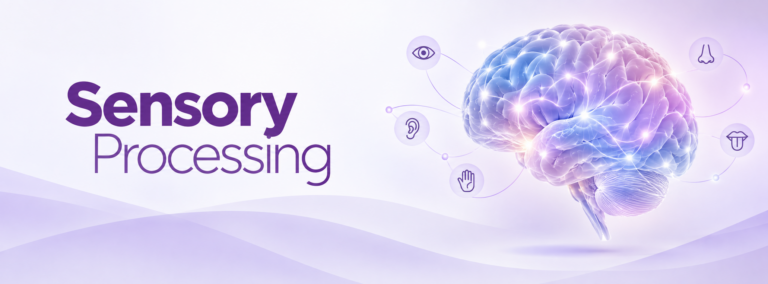
Sensory Processing
How a person experiences sound, light, touch, movement and internal sensations, considered alongside their strengths, daily environment and support needs.
Learn moreClinical note: assessment and treatment recommendations are based on each person’s circumstances, presentation and clinical needs. The inclusion of a condition on this page does not mean that every clinician treats every condition or patient group.
Understanding the person, not simply the diagnosis.
Presentations can overlap. Depression may occur alongside anxiety or trauma-related difficulties, and ADHD, autism and sensory differences may co-occur.
Assessment considers each person’s history, circumstances, strengths and goals, and recommendations are tailored to individual needs and the scope of the treating clinician.
Thoughtful assessment
Understanding concerns within their broader personal, developmental and clinical context.
Individualised care
Care designed around the person’s needs, preferences and goals rather than the diagnosis alone.
Coordinated support
Where appropriate and with consent, care may be coordinated with GPs and other relevant professionals.
A considered first step toward care.
Contact Newtown Psychiatry to enquire about appointments and discuss the appropriate next step.
Newtown Psychiatry is not an emergency service. If you or someone you know is in immediate danger, call 000 or go to the nearest emergency department. Lifeline provides 24-hour crisis support on 13 11 14.