
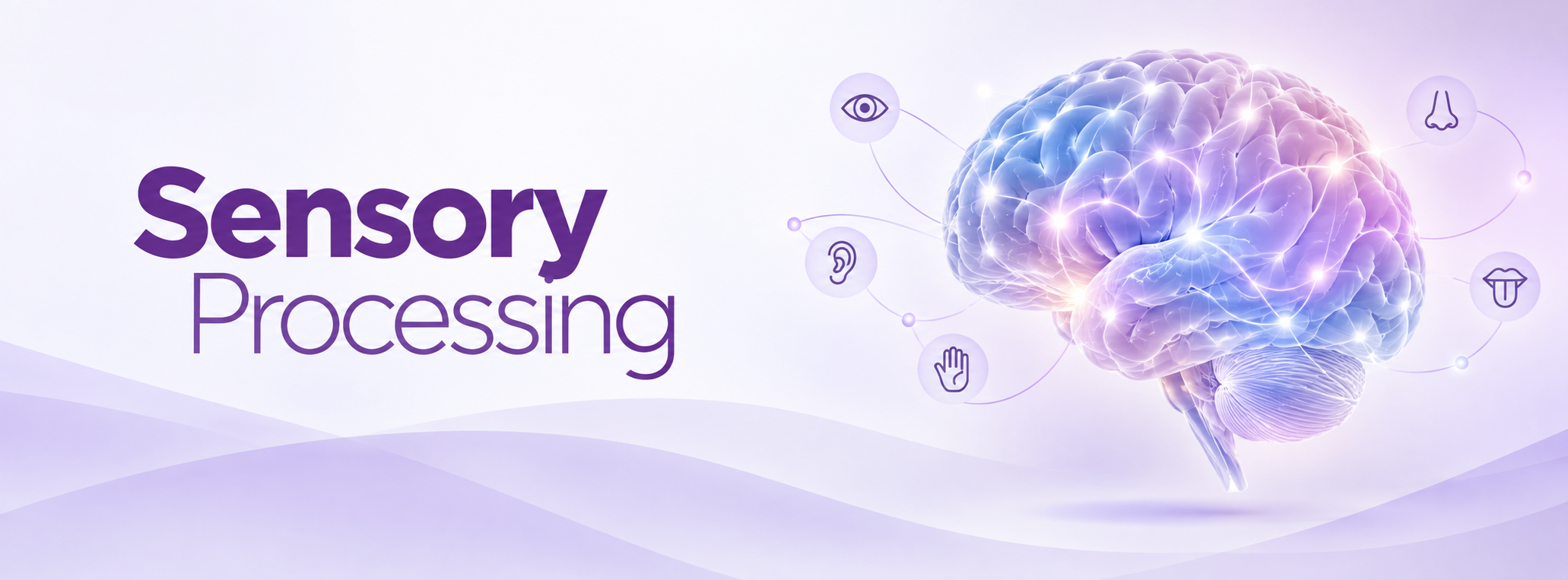
Sensory experiences are personal. Care should be too.
Sensory processing shapes how each person experiences sound, light, touch, movement and internal sensations. At our practice in Newtown, Sydney, thoughtful care considers the individual's strengths, daily environment and support needs—without assuming that sensory differences alone represent a psychiatric disorder.
Understanding sensory processing and individual needs.
Sensory processing describes how the nervous system receives, interprets and responds to information from our senses and body. This may include sound, light, touch, movement, taste, smell and internal bodily sensations.
People can experience sensory information differently. These differences may influence comfort, attention, participation and everyday functioning, but sensory differences do not automatically represent a psychiatric disorder.
How sensory processing can affect everyday life
Sensory experiences may influence concentration, routines, social situations, school or work, sleep, eating, clothing choices, movement and comfort in busy environments.
Experiences vary considerably between individuals and may also change across different settings, levels of fatigue and daily demands.
How sensory processing differences may present
Sensory processing differences can present in varied ways. The presence of one or more experiences does not by itself establish a diagnosis.
Sensitivity to Sounds
Certain sounds or noisy environments may feel particularly intense or distracting.
Sensitivity to Light or Visual Input
Bright lights, visual clutter or busy surroundings may sometimes feel overwhelming.
Touch or Texture Sensitivity
Certain fabrics, textures, physical contact or sensations on the skin may be uncomfortable.
Taste and Smell Sensitivity
Particular tastes, food textures or smells may be experienced more intensely.
Seeking Movement or Sensory Input
Some people may seek movement, pressure or other sensory experiences to support comfort or regulation.
Feeling Overwhelmed in Busy Environments
Environments containing multiple sensory demands may sometimes become difficult to manage.
Awareness of Internal Body Signals
Some people may experience differences in recognising signals such as hunger, thirst, temperature or physical tension.
Concentration or Emotional Regulation
Sensory demands may sometimes affect attention, energy, emotional regulation or participation.
Understanding sensory processing in context
Sensory experiences should be considered as part of the person's broader developmental, clinical and environmental context. Sensory differences alone do not establish a diagnosis.
Neurodevelopmental Differences
Sensory differences may occur alongside neurodevelopmental conditions such as autism or ADHD, although individual experiences vary.
Individual Sensory Profiles
People may respond differently to different types and levels of sensory input, and these patterns can vary across situations.
Environment & Daily Demands
Noise, lighting, crowds, routines, fatigue and other environmental demands may influence how manageable sensory experiences feel.
How sensory processing needs are assessed
Assessment considers the person's individual experiences, developmental and clinical history, strengths, circumstances and the impact of sensory experiences on everyday life. There is no single test that automatically diagnoses sensory processing difficulties.
An individualised approach to support
Support should be guided by the person's individual experiences, strengths, goals, circumstances and everyday needs.
Understanding & Environmental Adjustments
Identifying sensory demands and considering practical environmental adjustments may help improve comfort and participation.
Practical & Sensory Strategies
Individualised strategies may support routines, regulation, participation and management of sensory demands in everyday settings.
Support for Co-occurring Needs
Where relevant, broader clinical care may also address autism, ADHD, anxiety, sleep difficulties or other emotional and developmental needs.
Care centred around the individual.
Our approach emphasises thoughtful assessment, respectful communication and evidence-informed care that considers each person's experiences, strengths and everyday needs.
Frequently asked questions
What is sensory processing?
Sensory processing is the way the nervous system receives, interprets and responds to information from the senses and the body, including sound, light, touch, movement, taste, smell and internal bodily sensations.
What are sensory processing differences?
Sensory processing differences describe variations in how a person notices, interprets or responds to sensory input. Experiences may be more or less intense and can vary across situations.
How can sensory processing differences present?
They may include sensitivity to sound, light, touch, taste or smell; seeking movement or pressure; feeling overwhelmed in busy environments; or differences in recognising internal body signals.
Can sensory processing differences affect adults?
Yes. Adults may experience sensory differences that influence work, relationships, routines, sleep, eating, clothing choices, social settings or comfort in particular environments.
Are sensory processing differences associated with autism or ADHD?
They can occur alongside autism or ADHD, but they are not limited to these conditions. Sensory differences alone do not confirm a neurodevelopmental or psychiatric diagnosis.
How are sensory processing needs assessed?
Assessment may consider sensory patterns, developmental and clinical history, daily impact, strengths, circumstances and any co-occurring concerns. It should be individualised rather than based on one test alone.
What support may be helpful?
Helpful sensory processing support varies and may include understanding sensory patterns, practical environmental adjustments, individualised strategies and care for any co-occurring emotional, developmental or sleep-related needs.
Explore related areas of care
Sensory processing differences may occur alongside other neurodevelopmental or mental-health needs. Explore relevant Newtown Psychiatry information pages.
A thoughtful first step toward understanding individual needs.
Contact Newtown Psychiatry to enquire about appointments and discuss the appropriate next step.
Contact Newtown Psychiatry