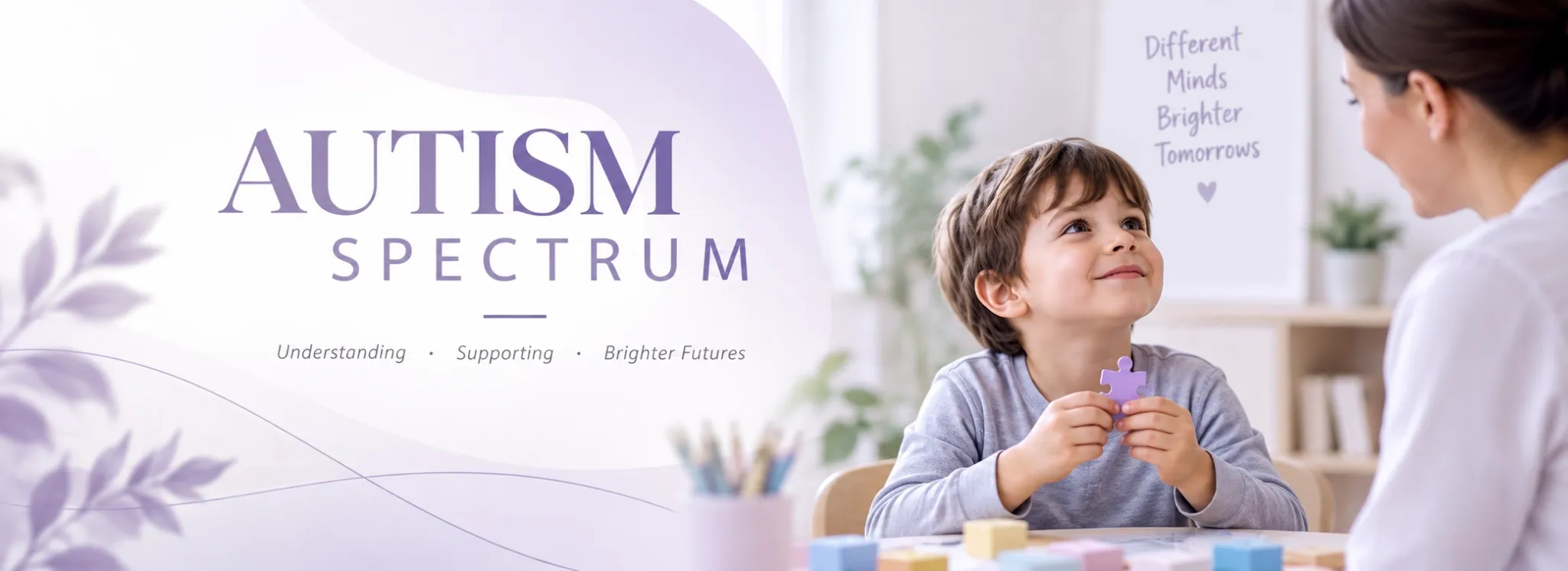
Autism Spectrum
Respectful, evidence-informed assessment and individualised support for children, adolescents, adults and families.
Understanding the person, their strengths and their support needs.
Autism Spectrum is a neurodevelopmental condition involving differences in social communication and interaction, patterns of behaviour or interests, sensory processing and individual support needs.
Autistic people are diverse. Some may require substantial support in daily life, while others live independently and seek help with particular challenges. A thoughtful autism assessment at our practice in Newtown, Sydney, considers the whole person, including their strengths, circumstances, goals and experiences.
Different experiences.
Personalised support.Communication • social connection • sensory experience • daily functioning
A different experience for every person.
Autism can present differently from person to person. Individuals may have distinct strengths, communication styles, interests, sensory experiences and ways of relating to the world.
Support needs can also vary across environments and stages of life. Understanding the person's developmental history, daily functioning and priorities helps create a more complete and respectful clinical picture.
How Autism Spectrum may present
Autism presents differently from person to person, with individual patterns of strengths, differences and support needs.
Social Communication Differences
Differences in interpreting or using verbal and non-verbal communication.
Social Interaction Differences
Different approaches to initiating, maintaining or navigating social relationships.
Focused Interests
Highly focused or particularly strong areas of interest.
Preference for Routine
Predictability and familiar routines may be particularly important.
Repetitive Behaviours
Repeated movements, speech, activities or patterns of behaviour may occur.
Sensory Differences
Increased or reduced sensitivity to sound, light, touch, textures, smells or other sensory input.
Change & Transitions
Unexpected changes or transitions may feel challenging or overwhelming.
Different Communication Styles
Communication abilities, preferences and styles can vary considerably.
Emotional Regulation Differences
Recognising, communicating or regulating emotions may be difficult, particularly when overwhelmed.
Understanding factors associated with autism
Autism is understood as a neurodevelopmental condition involving complex genetic and developmental influences. Research continues to examine how these influences interact.
Neurodevelopmental Differences
Autism relates to differences in brain development and the way information, communication and sensory input may be processed.
Genetic Influences
Research indicates that genetic factors can play an important role, although no single gene explains every autistic presentation.
Ongoing Research
Autism does not have one simple cause. Parenting style and vaccines are not accepted causes of autism.
How Autism Spectrum is assessed
Assessment considers development, current experiences, strengths and support needs. The exact process can vary according to age, circumstances and the clinical setting.
Support & management for Autism Spectrum
Support should be individualised according to the person's strengths, goals, circumstances and support needs. Autism itself is not something that needs to be cured.
Psychological & Emotional Support
Support may help with emotional wellbeing, self-understanding, relationships, coping strategies and managing periods of overwhelm.
Practical & Individualised Support
Practical strategies may address communication, routines, sensory needs, education, work or daily living according to individual priorities.
Support for Co-occurring Difficulties
Where relevant, clinical care may address co-occurring concerns such as ADHD, anxiety, mood difficulties or sleep problems.
Personalised care that respects the individual.
Our approach focuses on thoughtful assessment, respectful communication and evidence-informed care that considers each person's strengths, experiences, goals and support needs within a calm clinical environment.
Questions about Autism Spectrum
What is Autism Spectrum?
Autism Spectrum is a neurodevelopmental condition associated with differences in social communication and interaction, patterns of behaviour or interests, sensory processing and support needs. Presentations vary considerably between individuals.
How can Autism Spectrum present?
Autism may involve different communication styles, focused interests, a preference for routine, sensory differences, repetitive behaviours or difficulty with unexpected change. Each person's combination of strengths and challenges is different.
Can autism present differently in adults?
Yes. Some adults develop strategies that make differences less obvious to others, while still experiencing significant effort, sensory strain or difficulty navigating social and everyday demands.
How is Autism Spectrum assessed?
Assessment generally considers developmental history, communication and social interaction, behavioural patterns, sensory experiences, functioning across settings, strengths and support needs. Processes vary, so specific arrangements should be confirmed with the clinician or service.
Can autism occur alongside ADHD or anxiety?
Yes. Autistic people may also experience ADHD, anxiety, mood, sleep or other difficulties. Considering overlapping concerns can help clarify support needs.
What support may be helpful for autistic people?
Helpful support depends on the individual and may include psychological support, practical strategies, environmental adjustments, communication support and care for co-occurring difficulties.
When should someone consider seeking an autism assessment?
An assessment may be considered when long-standing differences in communication, social interaction, sensory processing, routines or daily functioning raise questions about autism and greater understanding may help guide support.
Explore related areas of care
Some autistic people also experience other neurodevelopmental or mental health concerns. Explore relevant Newtown Psychiatry information pages.
A thoughtful first step toward greater understanding.
Contact Newtown Psychiatry to enquire about appointments and discuss the next appropriate step.
Contact Newtown Psychiatry